The power of a voice
Leslie Odom Jr’s Christmas album has been soundtracking my festive season. His voice does something to me. It is transcendent and effortless, like slipping on a tailored velvet jacket. It’s not overly showy. His is also the first voice you hear in the musical ‘Hamilton’. If you’re a fan, you might consider ‘The Room Where It Happens’ to be his triumphant moment but ‘Wait For It’ is where he gifts us his real vocal power. Restraint then a build until ‘we rise and we fall’ then all the way back in. Wait for it. Edge of the seat stuff.
The human voice is my favourite instrument. Nothing else compares to its versatility. Each person has their own unique vocal character, their own timbre in how we speak and sing, a product of vocal cord anatomy and innate musicality. But some possess the skill to mimic other sounds, accents, and instruments. I’ve never been the biggest fan of over ornamental vocal runs but you can’t doubt that it requires skill and control. There are some who have been born with glorious or powerful speaking voices. The ones you long to hear on an audiobook or a narration. And beatboxing is a truly mesmerising thing to me.
When I was a girl I went to singing lessons. My singing teacher was called Una and was fabulous. And formidable. She still is, I imagine. She was a trained opera singer and taught us not just the technicality of using your voice but how to sing with your whole heart infused in it. Although we impressionable young women were obsessed with Lea Salonga’s rendition of ‘On My Own’ from Les Mis, Una wouldn’t let us sing it until we were older. You see, we hadn’t had our hearts broken at aged 12 and couldn’t do it justice. She was so right.
I shied away from public performance then as it terrified me. I’m not sure where I developed that fear from but I avoided singing by myself in front of others for the longest time. I have a sweet voice and can hold a tune, can even be technically excellent when I dig up my old training but my voice isn’t particularly special. Although the one time I did the Féis in Derry (an annual arts competition that is still going and a Big Deal), I won a gold medal. But the best thing about that achievement was the fortitude it gave me to stand in the corner of my granny’s living room later that day and repeat the performance for her. And she loved it. Now, much older, I don’t hold that same fear as I reach for that same fortitude my granny gave me. I have twice had the honour of being asked to sing at friend’s weddings. Wholly terrifying but how could you say no? Listening back to one of the recordings, my nerves are so evident to me. But I think there is something lovely about that. It was real.
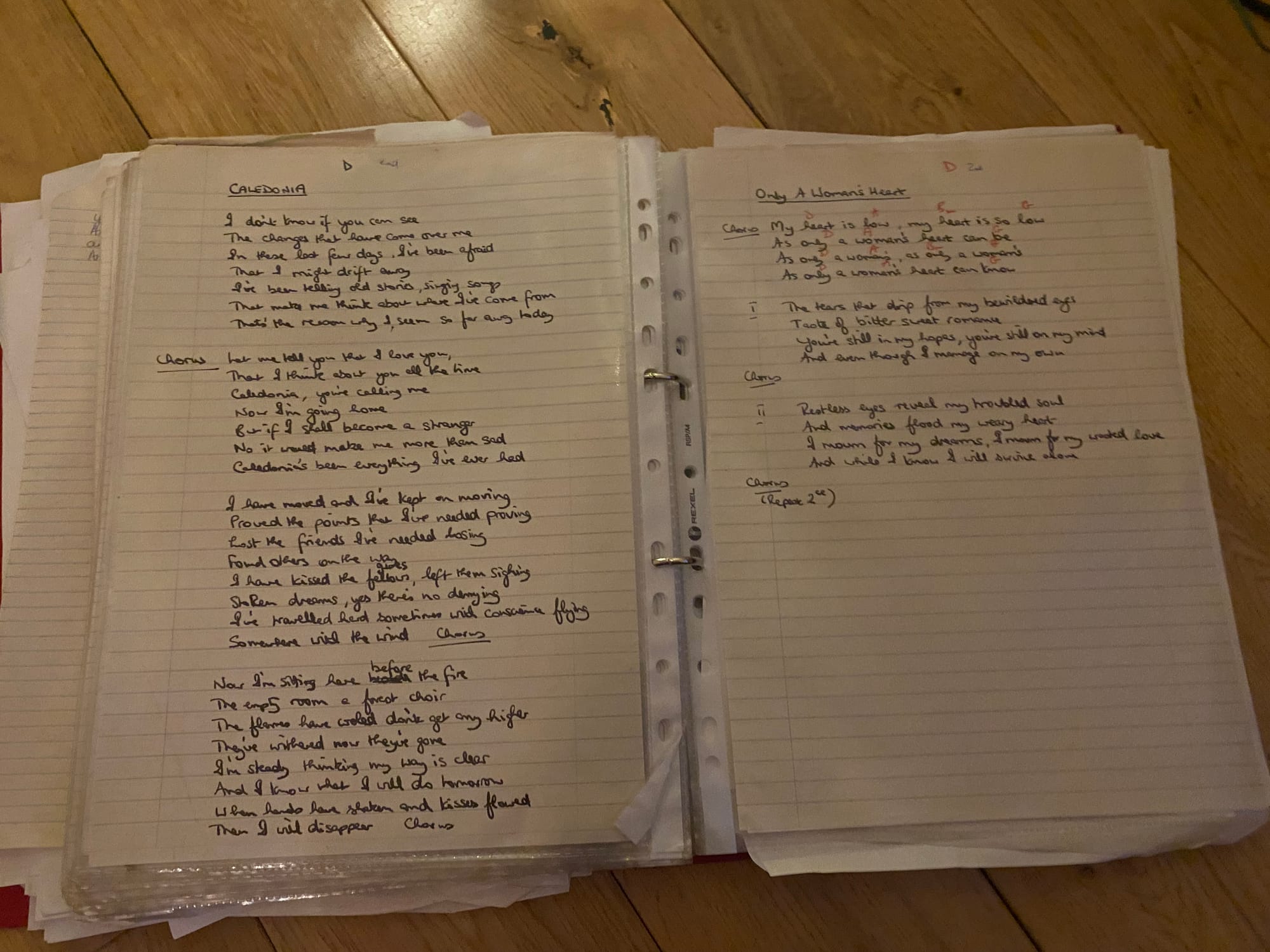
Singing is baked in to my family history. Legend has it that my granny and granda met in rival choirs in Derry- granny in Sammy Burke’s choir and granda in James Mc Cafferty’s (the father of my singing teacher, Una). I was told my granny had a beautiful voice but lost the control of her singing voice later in life due to chronic bronchitis and I never heard it. Oh, what I’d give to have heard it. My other granny had librettos stuffed in the piano stool in her living room and it was from there that I was introduced to ‘Joseph and his Amazing Technicolour Dreamcoat’ amongst others. Her son, my uncle, has one of those Irish country voices that speaks to a different time and far outshines the Nathan Carters of the world. A different uncle once fronted a punk band called ’Fear of Gods’, just about the opposite in genre and style but no less creative or powerful. My mammy and daddy spent countless hours hand transcribing song lyrics in to a ring binder file so they could sing together and with guests around our dinner table (this file is my most prized possession and is what I would grab in a house fire). So, we are singers.
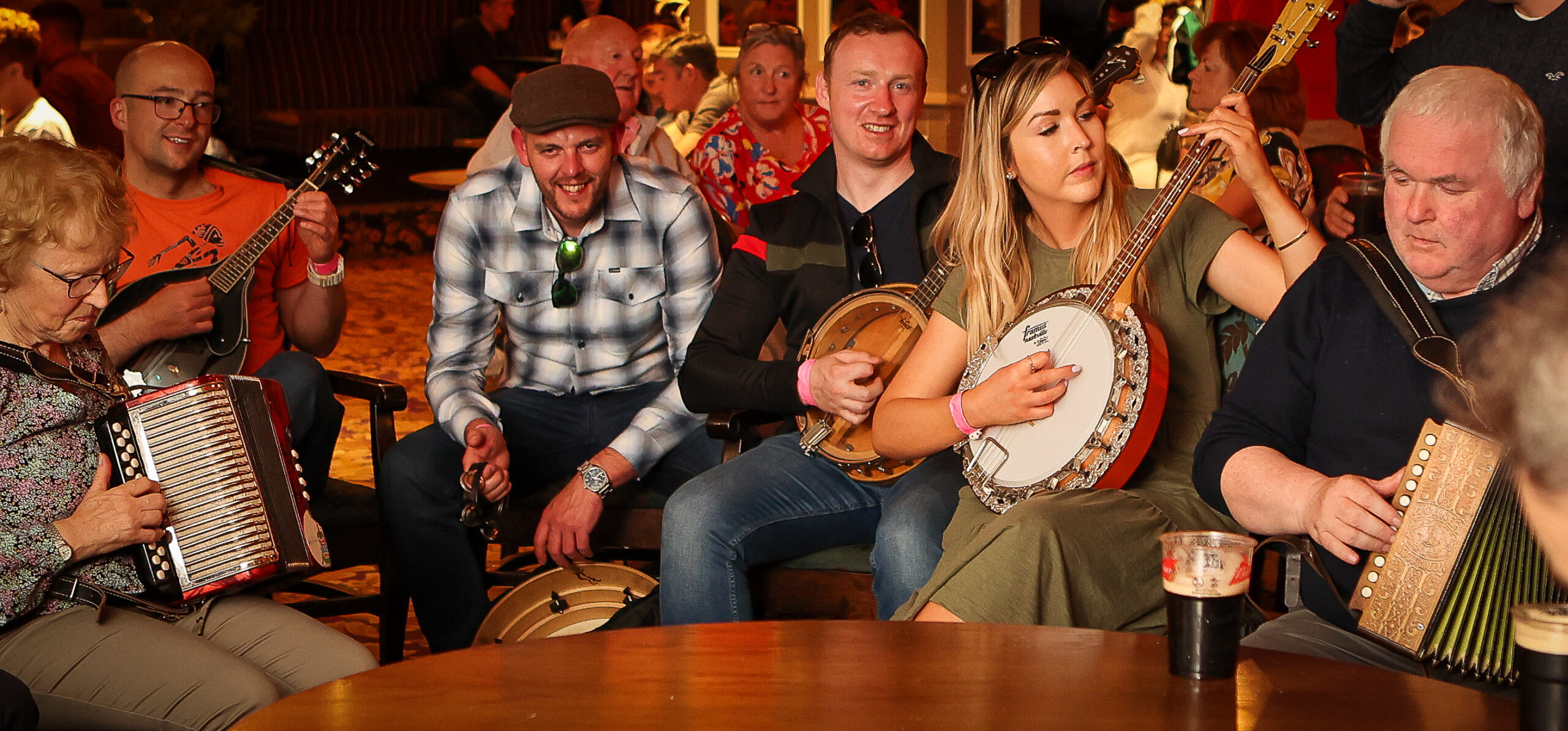
Singing is also deeply baked in to the Irish psyche. It is in our very soul. We are storytellers and singing has formed a key part of how we passed down these stories. This is not unique to Ireland but singing weaves an incredible thread through the centuries that connects us to our ancestors.
Sean-nós singing is a particular Irish traditional style defined by its vocal instrumentation and embellishment. Each province in Ireland has its own substyle. Despite having never been specifically taught it (and it does have a strict set of rules), it remains a type of singing that I just inherently ‘get’. I can’t fully explain why but I know it is to do with where I’m from.

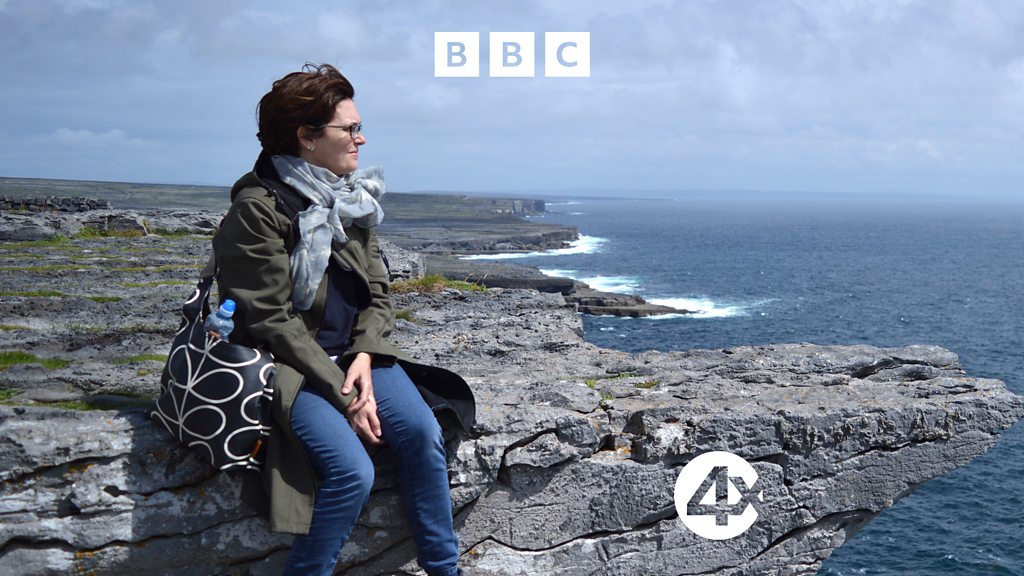
A haunting demonstration of the most raw use of the voice in Irish history is the ancient action of ‘keening’. Named for the Irish word for crying (ag caoineadh), keeners would attend funerals and ‘keen’ for the dead. It was guttural, even mildly unpleasant to listen to but intended to channel the depths of loss. Keening was yet another casualty of the Catholic Church in Ireland who, thinking it pagan and ungodly, actively fought against it and ultimately it largely died out. We’ve lost an unconstricted tradition, grief is arguably now more stifled and regimented.

The collective singing voice is electric. Although a proud Irish woman, I consider myself an honorary Scot, having mostly lived in Scotland since the age of 18. Listen to the acapella verse of ‘Flower of Scotland’ sung at Murrayfield before the rugby and I defy you not to think of yourself as one too.
If I go to see live music, I expect the singing to be live. I was at a Chase n Status gig earlier this year and was appalled that some of the artists they brought on stage with them mimed a backing track rather than singing or rapping live. Don’t bother bringing them on stage if they’re not going to perform live, I’ll watch a screen and listen to the recording. I’m not naïve to autotune or the various pitch correction technologies available to the modern performer, both in the studio and on stage. And the combination of choreography and singing doesn’t always lend itself to performing pure live tracks without some assistance. Even the singers on TikTok are using pitch correction these days to present an illusion. But to me, the beauty of hearing a singer live is in the imperfections, the vibrato (not too much, eh Hugh Jackman), the control. The very sound that person’s particular instrument makes. And I’m a bit snobbish about it; if your voice isn’t up to it, you shouldn’t get to play if I’m paying money to hear you live.
One of the best performances I saw this year was the Scottish folk singer Ellie Beaton doing a short acoustic set in St Giles Cathedral. Cathedral acoustics are something else and her voice in that space moved me to tears. It touched something deep in my soul that made me think of loss, where I am from, where I have chosen to make my home. That is the power of the voice.
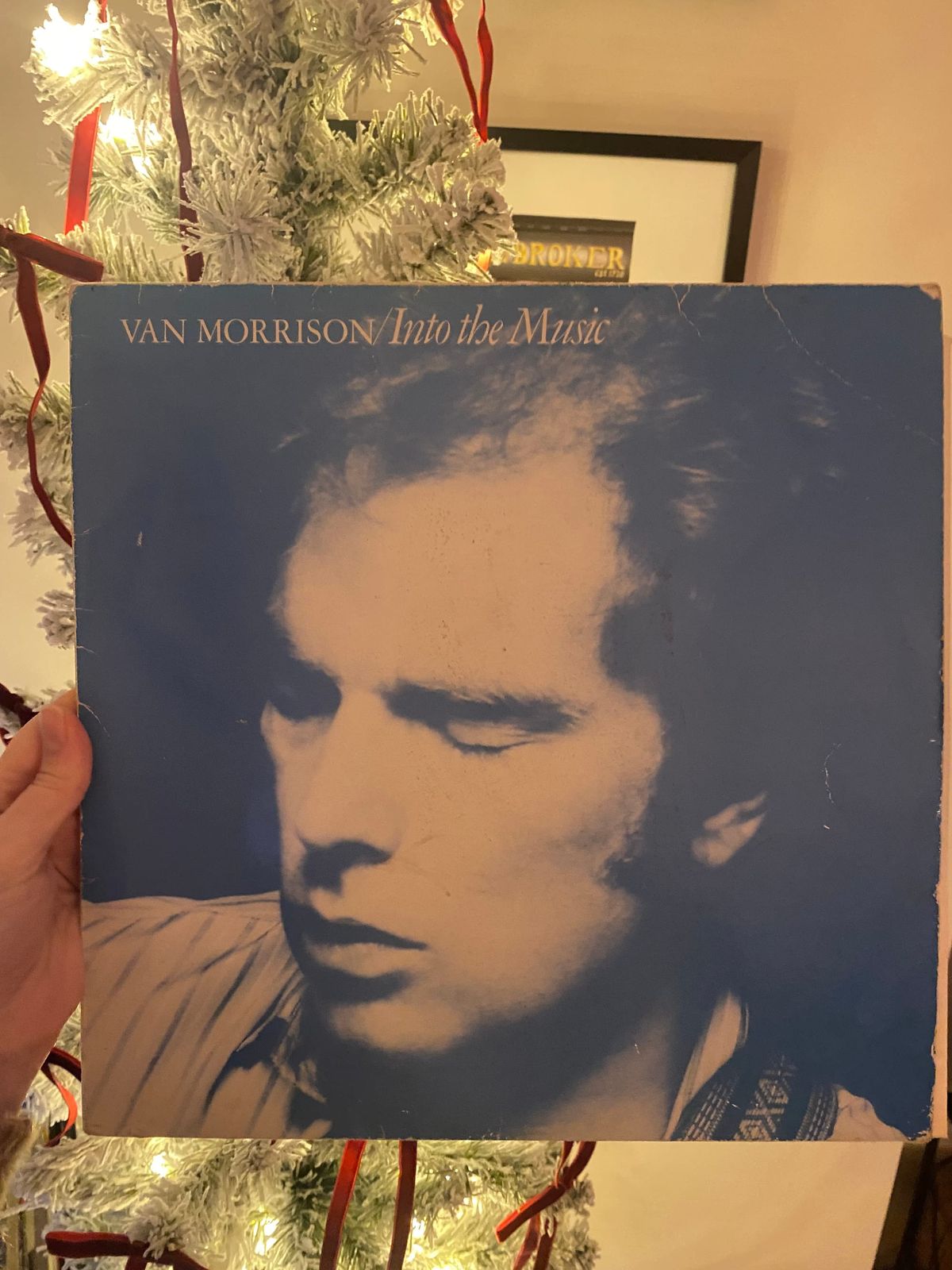
If I were to list all the voices that move or inspire me, I’d be here all day. But in no particular order, they include Van Morrison, Freddie Mercury, Luciano Pavarotti, Cynthia Erivo, Lady Gaga, Mary Black, Eddie Reader, Kendrick Lemar. Kneecap rapping in our native tongue. Colm Wilkinson’s interpretation of ‘Bring Him Home’. Our Gráinne. My good pal starting an acapella ‘Bohemian Rhapsody’ in a public space. These, and many more, are what it’s all about and how we are connected to each other.
I’ll leave you with a small video I made during a lockdown. Intended audience of uni pals only. Teenage me would not believe I’d share this. It’s unpolished and unpracticed, like much of life. But the gift of song should not be kept to oneself. Go gently in to the festive week with all the love to you and yours. And be held with a song.
Thank you for reading. Go sing something.