MEDIC!
'ER', the 1994 medical show written by Michael Crichton, has popped up on my socials recently. It might be because of its link to the recent smash hit 'The Pitt' but more likely due to the recent release of a book charting the oral history of the making of the show. The impact of 'ER' on medical drama and wider network television cannot be undersold now in 2026. It came out in a time where television was by appointment- you sat down at the same time each week and couldn't fast forward through the ad breaks. There was no widespread internet to discuss but after a few years, discussion fora would crop up on fledgling websites. You had to be there.
But 'ER' was also a bit of a transition away from the older medical dramas where the doctor was king and godlike. Here we were presented with flawed humans, balancing their own sometimes chaotic and wannabe normal lives with the abnormal trauma they faced each shift in the emergency room. George Clooney became a household name for his portrayal of Dr Doug Ross, the gallant, authority questioning and rule breaking paediatrician. Looking back 30 years later, his character would be a nightmare to work with and a somewhat problematic paramour. But hey, it was 1994. 'ER' as a television production was groundbreaking in its authenticity to medical detail, showcasing guest directors who brought their own style to the formula (Tarantino memorably in season 1) and even had a live episode. When you look back now (the entire series is on Netflix), it is easy to forget how impactful it was as many of the things it pioneered have become mainstay in televisual storytelling.
I was obsessed with 'ER' as a kid growing up. It fuelled my real life desire to become a doctor, with the character Carter as my surrogate (medical student on day 1 of the show and he became the eventual lynchpin of the series throughout 15 seasons). I would practice saying phrases I did not understand like 'supraventricular tachycardia' like I was Eliza Doolittle. A whole new way of speaking (and a language that is now so innate in my being I can't remember not knowing it). By the time the series drew to a close in 2009, I was finishing up my first year as a doctor.
I have a love-hate relationship with subsequent medical dramas. Maybe it is because I can no longer go back to the relative innocent time of watching 'ER' as a teenager unburdened with all the medical lexicon and knowledge. But in the interests of appreciation, here are some scenes and episodes from television shows that have captured me over the years. Only one of them is a medical drama! Spoilers for all shows featured below.
Bodies Season 1, Episode 1

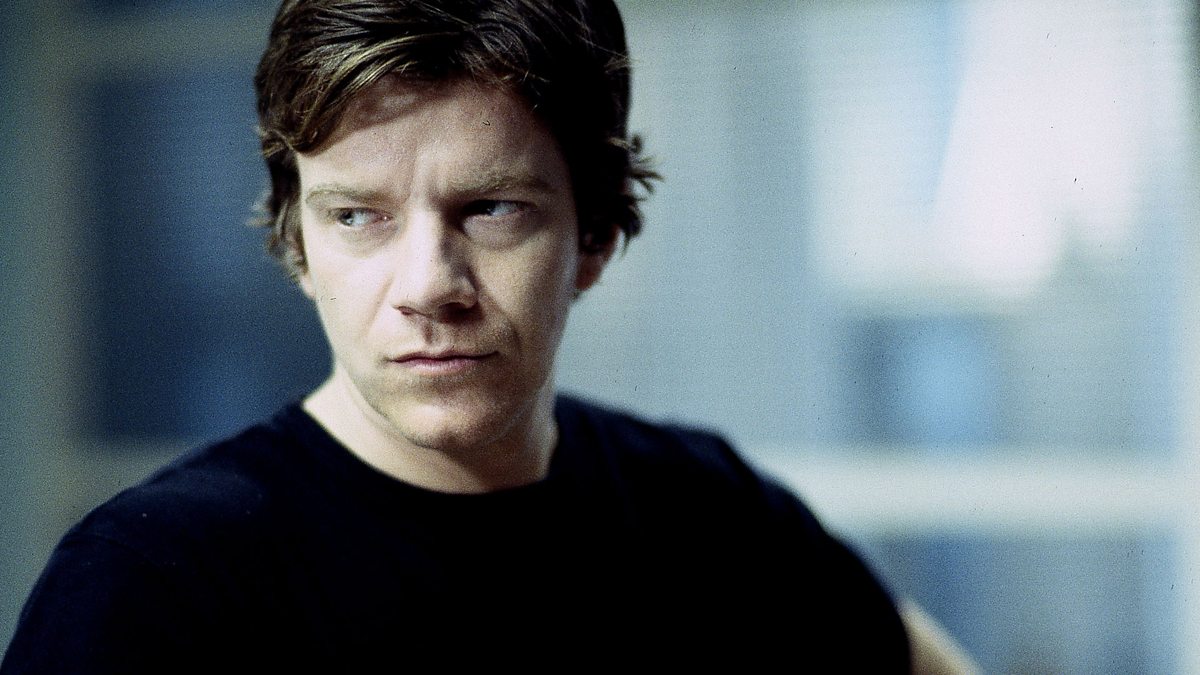
This remains the most scarily accurate portrayal of working in the NHS I have ever seen. It is also a time capsule from the early 2000s, those halcyon days when surgical registrars put together operating lists (unlike today where it is done by a non medical office based waiting list coordinator). And it features that rare creature in a tv drama, a key character who is an anaesthetist (my day job). Susan Lynch plays Dr Maria Orton, 'anaesthetics consultant' as she introduces herself. A whistleblower who faces the consequences, an exasperated yet quietly confident Northern Irish woman up against inept surgeons. Is this play about me (I joke, my surgical colleagues are fab and I've not yet had to whistleblow)?
But the standout scene in the episode is from 24:44-30:20. A quickly evolving emergency involving a patient's airway closing over and them being unable to breathe. Horrifying and plays out in pretty much real time. The cavalry in this instance would be an anaesthetist or an ear nose and throat surgeon. They are called but don't make it in time. Proper squeaky bum time. And bear in mind this is the opening episode of the entire series. I was hooked! All the flowers to doctor-turned-screenwriter Jed Mercurio and the composer as I still have a visceral response to the soundtrack (Jaws-like, minimal, driving beat that puts the viewer's heart rate up).
The Fall Season 3, Episode 1

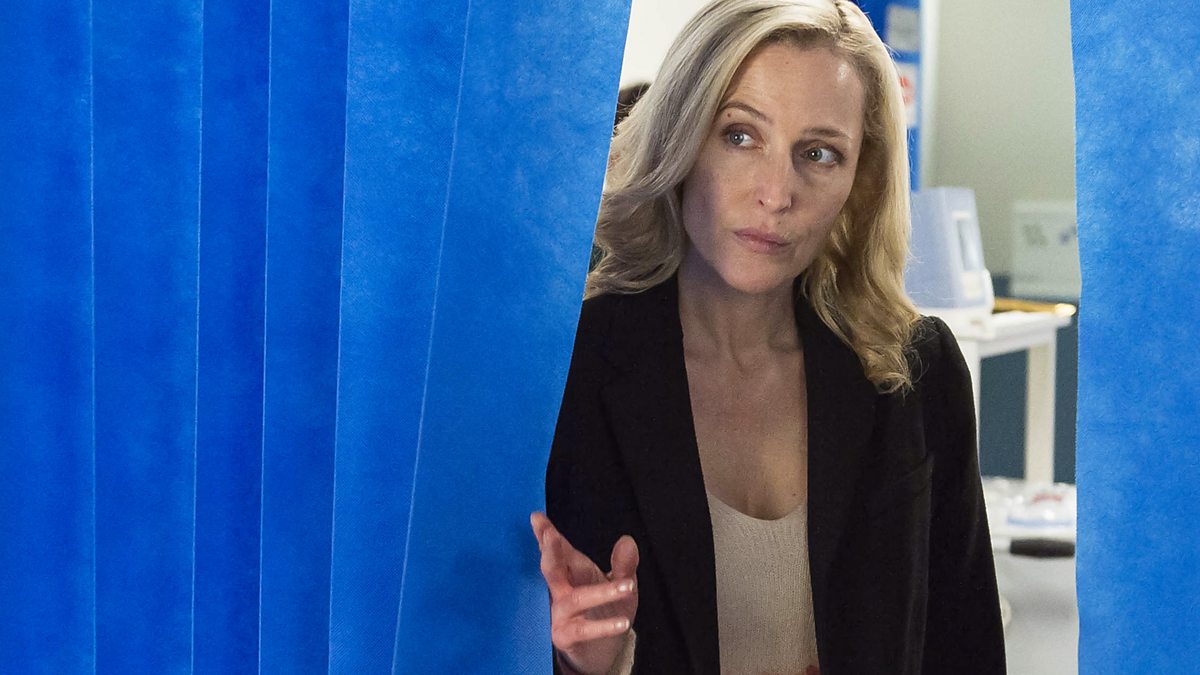
Ask any medic, this is probably the best scene of a trauma call ever committed to TV. Watch between 05:53- 18:14 for the entirety of how it unfolds. There are no massive bells and whistles, not a lot of barking out orders like our US counterparts like to do. Just so simply authentic in how these things play out. Richard Coyle plays the world weary yet highly capable Emergency Department (ED) Consultant leading the trauma call to perfection. He does what the team lead is supposed to do- stands back with an overview of the patient and the team. The team assembles and preps before the patient arrives. There is even a tiny bit of humour and craic as they go through the trauma call. Those of us in the business chuckle at lines such as 'and none of your CT bollocks' but also marvel at Jamie Dornan's 'sux fasciculation' acting (look it up). It is a detail so small most viewers wouldn't notice or care but it screams attention to detail. And none of the storytelling was sacrificed at the altar of medical accuracy. Proud of the Norn Irish team who put this together.
Band of Brothers, Episode 6 'Bastogne'

I try and rewatch HBO's seminal TV show about Easy Company in World War 2 annually. Never mind outstanding medical drama, this is perhaps one of the best television shows ever made. My favourite episode follows the company medic Eugene, as he tries to fulfil his duties with a lack of resources whilst under siege in a snowy foxhole. If any of us have ever worked through a staffing crisis, this is that on steroids as unseen characters scream 'MEDIC' offscreen to the ongoing relentless detriment of our key soldier. This is a truly visceral and threatening world far away from the comfort of a modern hospital, and whilst I cannot speak to the authenticity of field medicine in 1944 occupied Belgium, it certainly feels bloody real. Sublime character focused storytelling.
Blue Lights, Season 3 Episode 5 'Ordo ab Chao'

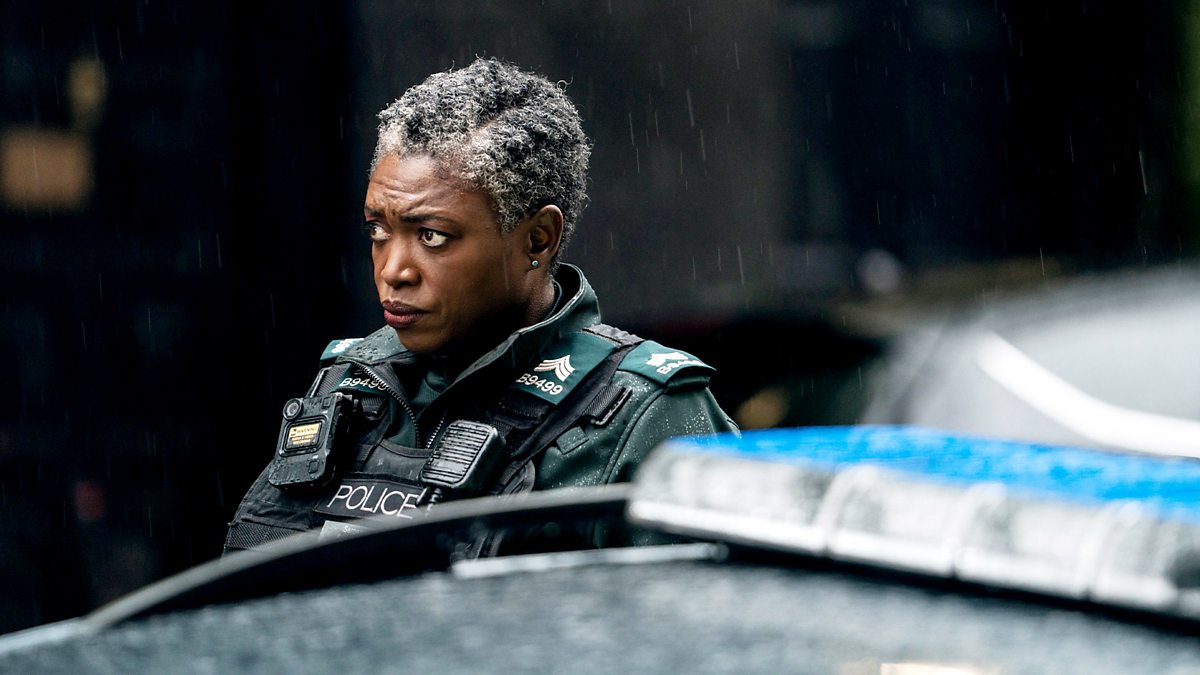
Had to interject with a US show above so as not to demonstrate what seems to be a BBC bias but they really have produced some fantastic drama over the years. Back we go to being drawn to Northern Irish things. There are two scene packs in this episode of the police drama that had my heart in my mouth, the first of which features a life threatening stabbing injury. The winner here is in the firm but kind portrayal of a trauma paramedic being quickly patched through by phone to a panicking police officer trying to save her colleague. Again, it plays out in scarily real time but the real power comes in the sound design. Everything else fades in to the background as we can only hear the conversation between the paramedic and the police officer. And perhaps the most honest millisecond- the moment after the high drama where the paramedic disconnects the call, very briefly collects herself, then must switch on to the next waiting emergency. Watch between 32:30-36:28, then gather yourself (like that paramedic) for the next tense scene.
Appreciation aside, is there still an audience for sharply observed medical drama? I think the popularity of 'The Pitt' would say strongly yes but augments the argument that the audience is looking for something else compared to the days of 'ER'. We want the curtain peeled back a bit more on the cost to the human of working in healthcare and the challenges of working in any health service (universal, failing, insurance based, all of it). No more doctors as heroes only. Focus not just on highly dramatic gory medical procedures as plot devices but on the people. And there are many more people who work in healthcare than doctors.
But may I pitch you a show about an anaesthetist....?